
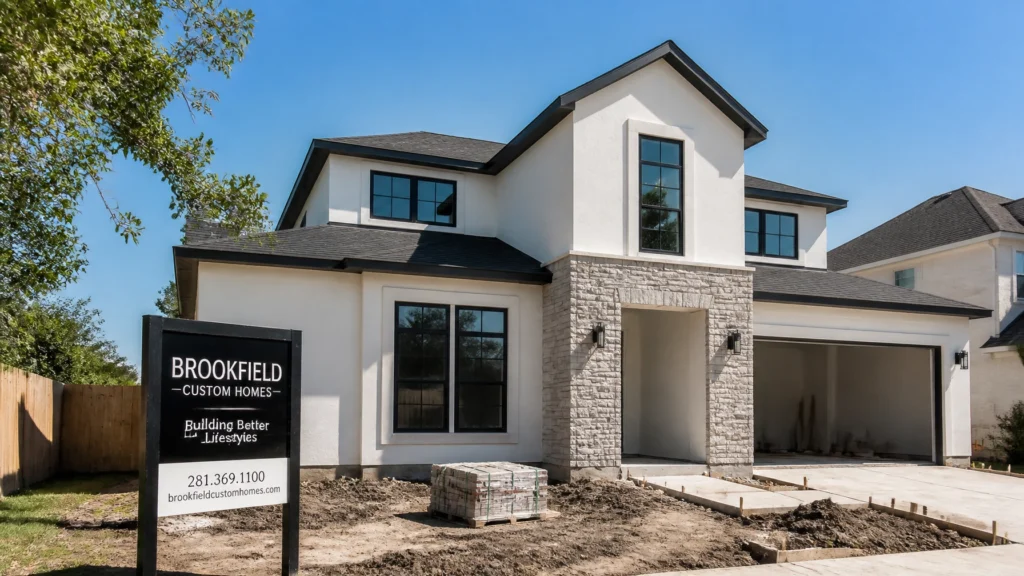
Hey there, Houston home hunter! If you’ve been driving through fast-growing suburbs like Katy, Cypress, Fulshear, Sugar Land, or Richmond lately, you’ve probably seen the massive billboards and colorful signs waving at you. "Interest rates in the 4s!" "Free sprinkler systems!" "$20,000 in closing cost assistance!"
It’s easy to get starry-eyed. Brand-new carpet, sparkling quartz countertops, smart thermostats, and zero deferred maintenance? Sign me up, right?
Hold on just a minute. Before you rush into a sales trailer and sign on the dotted line, I need to have a serious heart-to-heart with you. In fact, I recently sat down and told my own family members: Don't look at brand-new builder homes right now without knowing the whole story.
As your trusted local guide, known around town as Nasir 'Realtor Daddy' Qureshi, I see what happens behind the shiny marketing brochure every single day. Today, we are pulling back the drywall to expose the hidden pitfalls of Houston new construction, dissecting those seductive builder incentives, breaking down mysterious MUD taxes, and comparing new builds to rock-solid resale homes.
Grab a cup of coffee, settle in, and let’s talk real estate without the sugarcoating.
1. The Siren Song of Builder Incentives (And What’s Hiding Behind Them)
Let’s be honest: home builders are masters of marketing. When mortgage interest rates spiked over the last couple of years, builders didn't panic, they adapted. They started dangling massive carrots in front of eager buyers: rate buydowns, low promotional interest rates, thousands of dollars in closing cost contributions, and free upgrades like sprinkler systems or refrigerators.
At first glance, a 4.99% fixed rate courtesy of the builder's preferred lender looks like an absolute no-brainer. But before you get dazzled by the shiny object, ask yourself: What am I trading away to get this rate?
- The Lot Premium Markup: While you might be saving on your interest rate, you are often paying top-dollar premium lot prices for a piece of land that might back up to a busy utility road, sit right next to the neighborhood pool, or share a postage-stamp-sized yard with your neighbor.
- Preferred Lender Lock-in: To get those sweet incentives, builders usually require you to use their in-house mortgage company. Sometimes that works out great, but other times you miss out on shopping the open market for better loan products or lower origination fees.
If you want to dive deeper into how market shifts affect your buying power, feel free to check out my insights on Nasir Qureshi's YouTube Channel for regular video breakdowns of the Houston market.
2. The Great Tax Trap: Raw Land Taxes vs. Year Two Shock
One of the biggest financial heartbreaks for first-time buyers in Houston new construction comes courtesy of property taxes.
When a developer builds a master-planned community, the land starts out as acreage or raw acreage. In your first year of homeownership, the county appraisal district often taxes you based primarily on that raw land or partial construction value, not the finished $450,000 home you just bought.
What happens in Year Two?
Your lender sets up your escrow account based on that initial, artificially low tax bill. Your monthly mortgage payment feels manageable and sweet.
Then, year two rolls around. The tax assessor finally catches up and inspects the neighborhood. They realize there is a gorgeous two-story home sitting on that lot now, and they appraise it at full market value.
Boom! Your property taxes double or jump significantly. Because your escrow account didn't collect enough money in year one, you get hit with a massive escrow shortage, and your monthly mortgage payment shoots up overnight. It's a classic trap that catches buyers completely off guard if they aren't coached properly by an experienced agent.

3. MUD Taxes Explained: The Houston Suburb Hidden Fee
If you are moving to the outer rings of Greater Houston, like Cypress, Fulshear, or Katy, you cannot escape the three-letter acronym that every homebuyer needs to know: MUD (Municipal Utility District).
Because many master-planned communities are built outside city limits where municipal water and sewage lines don’t naturally reach yet, developers create a MUD to finance the underground infrastructure (water, drainage, sewer, roads).
- How it works: The MUD issues bonds to pay for infrastructure upfront and repays those bonds through an additional property tax levied on homeowners in that district.
- The impact: MUD taxes can add anywhere from $1,500 to over $4,000 a year to your property tax bill, pushing total effective tax rates in some new construction communities anywhere from 2.8% to nearly 4%.
When a builder sales rep tells you the tax rate is "around 2.2%," make sure you ask: Does that include the MUD tax and any LID (Levee Improvement District) fees? If you don't factor MUD taxes into your monthly budget, your dream home can quickly become a financial squeeze.
4. Resale Homes vs. New Construction: Solid Bones vs. Fast-Paced Assembly
There is an undeniable romance to walking into a model home where everything smells like fresh paint and brand-new wood. But let's look at how homes are actually built today compared to older, established neighborhoods.
The New Construction Rush
Builders are under immense pressure from shareholders to turn inventory around fast. Framing crews and subcontractors are often stretched thin, moving from one slab to the next in a matter of days. While modern building codes and energy-efficient insulation are fantastic perks, the sheer speed of construction can sometimes lead to rushed craftsmanship, minor cosmetic flaws, or grading issues around the foundation.
The Resale Advantage
When you buy an established resale home in Houston, say, a 10-to-15-year-old neighborhood, you get something priceless: settled infrastructure and established greenery.
- The foundation has already settled and proven itself through Houston's brutal summer droughts and torrential downpours (remember Hurricane Harvey and recent storms? Established drainage proves its worth!).
- Mature oak trees provide natural shade, lowering your electric bills.
- The neighborhood has character, community stability, and an active HOA that has already worked out its growing pains.
To explore more about local neighborhoods, school districts, and community vibes across Texas, take a look at the resources available on realtordaddy.com.
5. The 3-to-5-Year Resale Dilemma: Competing Against Your Own Builder
Here is a secret that many new construction buyers forget to consider: Your exit strategy.
Life happens. Job transfers, growing families, or relocating to a different school district often mean people sell their homes within 3 to 5 years of purchasing.
When you decide to sell your 4-year-old new construction home, what does your street look like? The builder is likely still finishing up Phase 3 or Phase 4 right down the road. That means when a buyer walks into your neighborhood, they have a choice: they can buy your 4-year-old home (which now needs minor paint touch-ups, carpet cleaning, or updates), or they can walk down the street to the sales trailer and buy a brand-new home with the absolute latest floor plan, quartz finishes, and fresh builder warranties.
Guess who wins that pricing battle? Usually, the builder. You end up having to cut your price or offer buyer concessions just to compete with active construction zones.

6. Navigating New Construction with Expert Guidance from Nasir Qureshi – Realtor Daddy
Does this mean you should never buy a new construction home in Houston? Absolutely not!
There are fantastic builders out there, and sometimes buying brand-new makes complete strategic sense, especially if a builder is desperate to clear inventory at the end of a quarter or year, offering deep price drops that outweigh the lot premiums.
The golden rule of new construction: The person sitting in the builder’s sales office works for the builder, not for you. Their job is to protect the builder's profit margin and sell homes at the highest possible price.
You need someone in your corner who knows the local market inside and out, who reads between the lines of builder contracts, and who won't let you get blinded by shiny sales objects. That is where I come in. As a top-rated Houston realtor, I negotiate on your behalf, often securing free upgrades, independent third-party home inspections (crucial for new builds!), and proper tax projections, at zero cost to you as a buyer.
If you want to connect with me, feel free to check out my professional network, company updates, and client reviews on my Google Business Profile and professional updates on Nasir Qureshi's LinkedIn.
Frequently Asked Questions (FAQs) About Houston New Construction
Q1: Do I need a Realtor if I'm buying a brand-new construction home?
A: Yes, absolutely! Many buyers think walking into a sales office alone saves them money, but builder pricing is fixed. If you don't bring your own agent on your very first visit, the builder’s agent represents only the builder, and you lose independent representation, contract negotiation support, and expert advocacy during construction milestones.
Q2: What are MUD taxes in Houston, and how do they affect my monthly payment?
A: A Municipal Utility District (MUD) tax is an extra property tax levied on homes in master-planned communities to pay off the bonds used to build local water, sewer, and drainage infrastructure. These taxes can add thousands of dollars annually to your tax bill, significantly impacting your monthly mortgage escrow payment.
Q3: Why do my property taxes jump so much in the second year of owning a new home?
A: In your first year, the county appraisal district typically assesses taxes based primarily on the raw land value before the house was fully completed. Once the county fully appraises your completed home in year two, your tax bill rises to reflect the full market value, resulting in an escrow shortage and a higher monthly payment.
Q4: Can I negotiate with new home builders in Houston?
A: Yes! While builders are often hesitant to lower the base sales price directly because it affects comparable sales in the neighborhood, they are frequently open to negotiating closing cost contributions, rate buydowns, design center credits, or lot premiums, especially near the end of their financial quarters.
Q5: Should I get a third-party home inspection for a brand-new house?
A: 100% yes. Even though municipal inspectors and builder superintendents check the home, they are human and working at a fast pace. Hiring an independent, licensed home inspector to check the foundation, framing, plumbing, electrical, and roof before drywall goes up (or during the final walkthrough) can save you thousands in hidden defects later.
Ready to Make Your Next Move Stress-Free?
Real estate is both time and money. Don't leave either to chance. Whether you're comparing a gorgeous resale home in an established neighborhood or looking to vet a new construction builder in Katy, Cypress, Fulshear, or Sugar Land, I’m here to help you navigate every step with confidence.
Get in touch with me today for a free, zero-pressure consultation!
- Name: Nasir Qureshi – Realtor Daddy
- Phone: 281-857-2000
- Website: realtordaddy.com
Let's make your real estate journey smooth, smart, and successful. I'll see you at the top!
NAP Footer
Nasir Qureshi – Realtor Daddy
Phone: 281-857-2000
Website: realtordaddy.com